

Neck pain can change everything about your day. Turning your head becomes uncomfortable. Looking down at your phone feels worse than it should. Even sleeping can become difficult when your neck doesn’t feel right.
At first, it might feel like simple stiffness. Maybe you slept wrong. Maybe you’ve been sitting too long.
But when the pain doesn’t go away—or starts happening more often—it may be connected to something deeper: the cervical spine.
At Back In Motion, many patients come in with neck pain that keeps returning. What they often discover is that the cervical spine plays a bigger role in overall comfort than they realized.
The Real Problem Behind Cervical Spine Pain
The obvious problem is discomfort. Pain in the neck that may feel sharp, tight, or constant.
The deeper problem is restriction.
You can’t turn your head easily.
You feel stiff throughout the day.
Movement becomes limited.
And underneath it all is frustration.
Why does my neck keep hurting?
Why doesn’t it go away?
Cervical spine pain is often more than just muscle tension—it’s about how the spine is functioning.
What the Cervical Spine Does
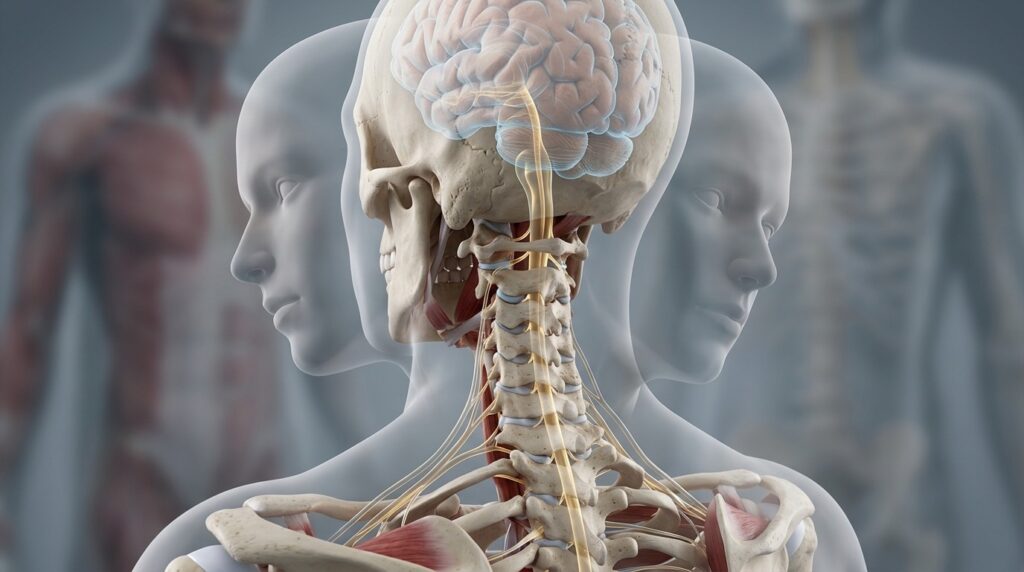
The cervical spine refers to the upper portion of the spine—the neck.
It is responsible for:
- Supporting the head
- Allowing movement in multiple directions
- Protecting the spinal cord
- Connecting the brain to the rest of the body
Because it handles so much movement and support, it is one of the most active parts of the spine.
Why Cervical Spine Pain Develops
Cervical spine issues usually develop over time due to daily habits and stress.
Common causes include:
- Poor posture (especially forward head posture)
- Prolonged screen use
- Sleeping positions
- Stress-related muscle tension
- Previous injuries
- Repetitive movements
Over time, these factors can lead to joint restriction and muscle imbalance.
Why Neck Pain Keeps Coming Back
Many people treat neck pain with short-term solutions like stretching, massage, or rest.
While these can help, they don’t always address the root cause.
If the cervical spine isn’t moving properly:
- Muscles tighten again
- Tension builds
- Pain returns
This creates a cycle:
Pain → temporary relief → return to routine → pain again
Breaking this cycle requires improving how the cervical spine functions.
Cervical Spine Pain Treatment Options
Not all treatment options are the same. The goal is to reduce stress, restore movement, and support long-term health.
1. Chiropractic Care
Chiropractic care focuses on improving mobility in the cervical spine.
It may help by:
- Restoring joint movement
- Reducing muscle tension
- Improving alignment
- Supporting better posture
At Back In Motion, care is gentle and tailored to each patient’s needs.
2. Postural Correction
Posture plays a major role in cervical spine health.
Improving posture can:
- Reduce strain on the neck
- Support proper alignment
- Prevent recurring tension
Simple changes in daily habits can make a big difference.
3. Movement and Mobility Support
Gentle movement helps keep the cervical spine flexible.
This may include:
- Stretching exercises
- Controlled mobility movements
- Daily activity adjustments
Movement helps prevent stiffness from returning.
4. Stress Management
Stress often leads to muscle tension in the neck.
Reducing stress can help:
- Decrease muscle tightness
- Improve relaxation
- Support overall comfort
How Chiropractic Care Helps the Cervical Spine
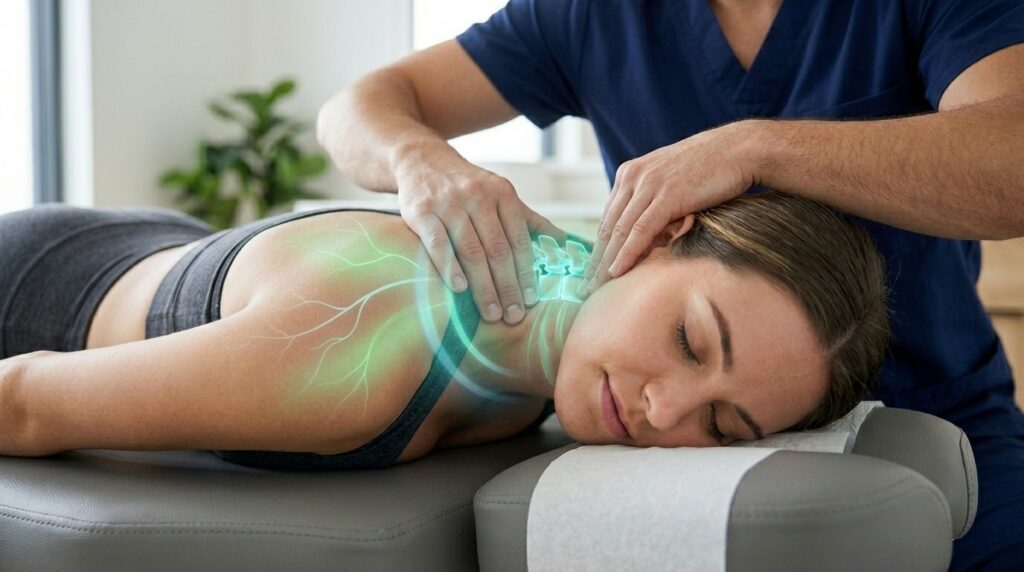
Chiropractic care focuses on restoring function rather than forcing change.
For cervical spine pain, treatment may help:
- Improve range of motion
- Reduce pressure on joints
- Decrease muscle tension
- Support nervous system function
At Back In Motion, treatment is precise and controlled.
The goal is to help the body move better naturally.
Signs You May Need Cervical Spine Treatment
Not all neck pain requires professional care, but certain signs suggest it’s time to get evaluated.
You may benefit if:
- Pain lasts more than a few days
- Movement feels restricted
- You experience recurring stiffness
- Headaches begin in the neck
- Pain worsens with posture
These signs often indicate underlying issues.
What Treatment Feels Like
Many people worry about chiropractic care for the neck.
Treatment is:
- Gentle and controlled
- Focused on specific areas
- Adapted to your comfort level
Patients often feel more relaxed and mobile after care.
What Real Improvement Looks Like
Improvement doesn’t always happen instantly—but it builds over time.
You may notice:
- Less stiffness
- Better range of motion
- Reduced tension
- Improved posture
- Greater comfort during daily activities
These changes support long-term relief.
What Happens If Cervical Spine Pain Is Ignored
Ignoring neck pain often leads to compensation patterns.
Over time, this may result in:
- Chronic tension
- Reduced mobility
- Increased headaches
- Ongoing discomfort
Addressing the issue early helps prevent long-term problems.
A Simple Plan for Relief
Using the StoryBrand framework, the path forward stays clear.
Step 1: Identify the cause
A focused evaluation looks at how your cervical spine is functioning.
Step 2: Restore movement
Treatment improves mobility and reduces strain.
Step 3: Maintain results
Postural and lifestyle guidance support long-term comfort.
This plan replaces frustration with clarity.
Why Local Care Matters in Yorktown
Yorktown residents deal with daily habits that affect the neck—screen time, work, commuting, and stress.
Choosing a local provider ensures care is practical and consistent. Back In Motion focuses on real-life solutions.
Final Thoughts on Cervical Spine Treatment
The cervical spine plays a major role in how your body feels and functions.
When it’s not moving properly, tension builds and pain develops.
With the right treatment, movement improves, tension decreases, and daily life becomes more comfortable again.