
Understanding Cervicogenic Headaches
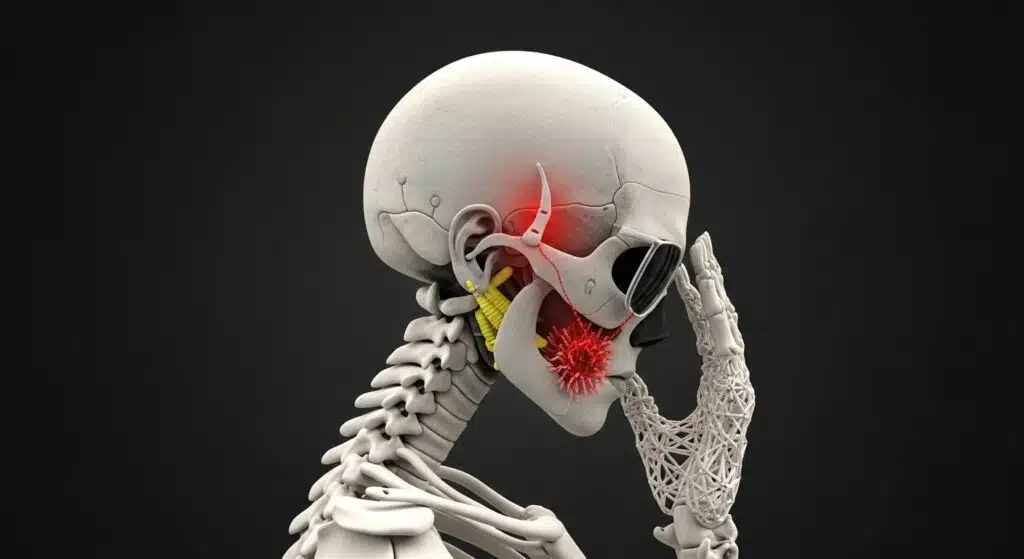
If you’ve ever felt a deep, dull ache starting from the base of your neck and creeping up behind your eyes, you might have experienced a cervicogenic headache. It’s not your typical headache — it doesn’t start in your head at all. Instead, the problem begins in your neck.
At Back In Motion Chiropractic, we see this all the time. People come in thinking they’re dealing with migraines, tension headaches, or stress. But after a closer look, we find that their neck — the muscles, joints, and nerves around the cervical spine — is the real culprit.
Cervicogenic headaches are common, especially among people who spend long hours sitting, working at a desk, or looking down at their phones. The good news? Chiropractors are specially trained to find the root cause of these headaches and fix them naturally, without drugs or invasive procedures.
Before we dive deeper, let’s look at a few key takeaways that can help you understand and take control of your pain.
Key Takeaways
- Cervicogenic headaches originate from issues in the neck, not the head itself.
- Common triggers include poor posture, spinal misalignment, or muscle strain.
- Chiropractic care helps by realigning the spine, reducing tension, and improving mobility.
- Long-term relief comes from correcting the root cause, not just masking the symptoms.
- The team at Back In Motion Chiropractic combines gentle adjustments, posture retraining, and lifestyle coaching for lasting results.
What Exactly Are Cervicogenic Headaches?
Let’s clear this up first — cervicogenic headaches are secondary headaches, meaning they’re caused by an underlying issue in another part of the body. In this case, it’s the neck.
Your upper cervical spine (the top three vertebrae known as C1, C2, and C3) connects your neck muscles, nerves, and joints directly to your head. When something goes wrong in this area — like a misalignment, muscle tightness, or inflammation — pain can travel upward into your skull, often settling behind the eyes, temples, or forehead.
Symptoms often include:
- Pain on one side of the head or face
- Stiffness in the neck or upper shoulders
- Headache that worsens with neck movement
- Pain that starts in the neck and radiates upward
- Blurred vision or dizziness in some cases
Many people confuse these with migraines or tension headaches. The difference is in the origin of pain — cervicogenic headaches stem from neck dysfunction, while migraines begin in the brain due to vascular or neurological changes.
Causes of Cervicogenic Headaches
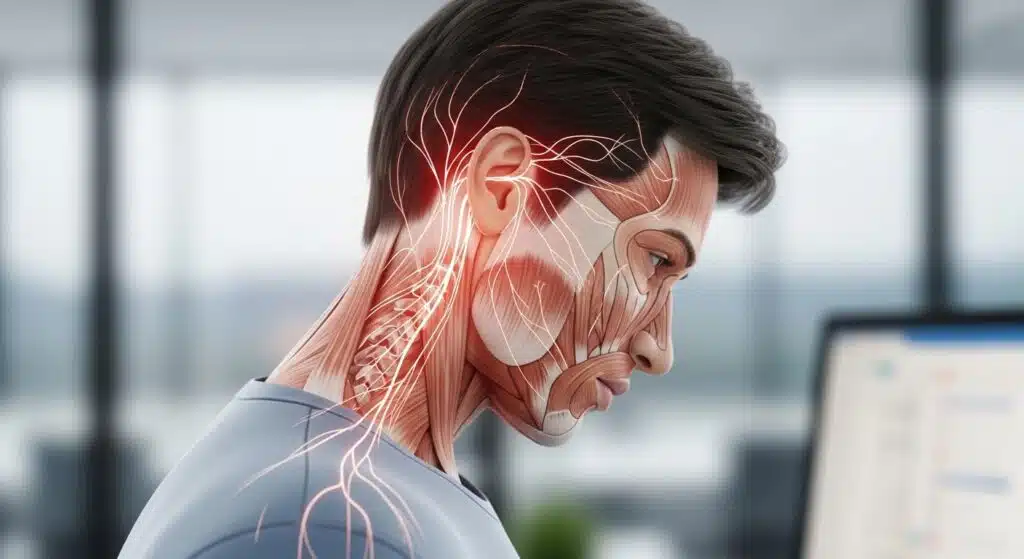
Most cervicogenic headaches are linked to lifestyle factors that strain the neck over time. Think about how often you look down at your phone, hunch over your keyboard, or fall asleep awkwardly on the couch — all of that adds up.
Here are the most common causes:
1. Poor Posture
One of the biggest culprits. The forward head position (“tech neck”) puts excessive stress on the cervical spine, leading to tightness in the neck and shoulder muscles.
2. Whiplash or Injury
Sudden neck movement from car accidents or sports injuries can strain muscles, ligaments, and joints, triggering long-term headaches.
3. Cervical Arthritis or Degeneration
As we age, the joints in our neck may wear down, causing irritation or pressure on nearby nerves.
4. Muscle Imbalances
When certain neck muscles become tight while others weaken, it can pull the spine out of alignment, leading to persistent pain and headaches.
5. Stress and Tension
Chronic stress can cause people to clench their jaw and tighten their shoulders, creating a perfect storm for cervicogenic headaches.
At Back In Motion Chiropractic, we often find that multiple factors are at play — posture, stress, and underlying spinal issues all contribute to the pain. That’s why we take a whole-body approach, not just a quick fix.
The Chiropractic Approach to Cervicogenic Headaches
When you visit Back In Motion, our chiropractors don’t just treat your pain — they uncover why it’s happening. We start with a thorough evaluation that includes a posture check, movement assessment, and sometimes imaging to see exactly how your cervical spine is aligned.
Step 1: Diagnosis
We identify whether your headache is truly cervicogenic or another type. This helps ensure the treatment is precise and effective.
Step 2: Chiropractic Adjustments
Gentle adjustments to the neck and upper back help realign the vertebrae, improving motion and easing pressure on nerves.
Step 3: Muscle Therapy
We use soft tissue techniques like trigger point therapy and stretching to relieve tension in the neck and shoulders.
Step 4: Postural Coaching
Our chiropractors teach you how to maintain good posture throughout the day — because how you sit, sleep, and move matters.
Step 5: Ongoing Care
Long-term results come from consistency. Regular visits help maintain spinal balance and prevent headaches from returning.
By combining spinal care, muscle work, and education, we help your body stay in motion — literally and figuratively.
Common Chiropractic Treatments for Cervicogenic Headaches
Spinal Adjustments
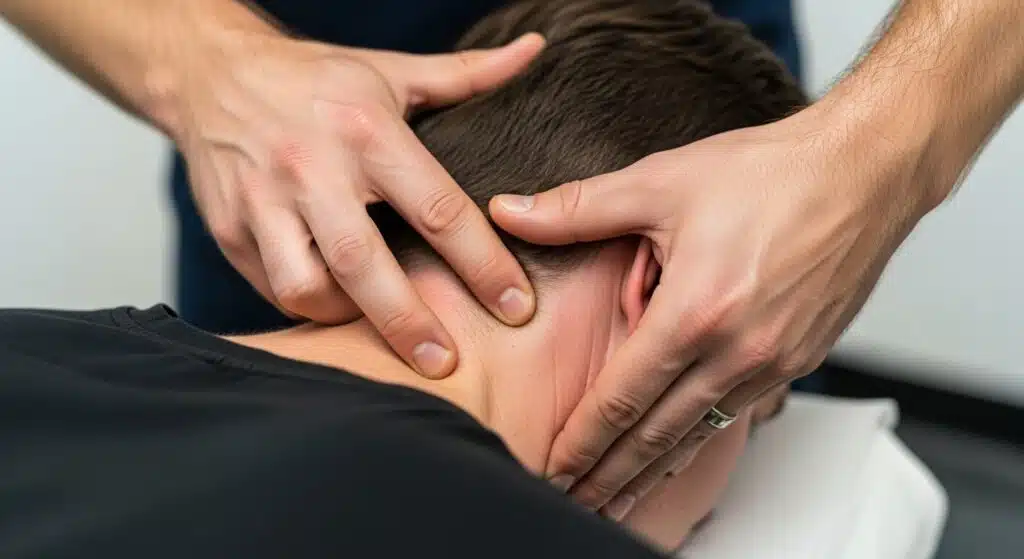
Precise manual adjustments restore proper alignment to the cervical spine. This relieves pressure from irritated nerves that can trigger headaches. Many patients notice relief even after the first few sessions.
Soft Tissue Therapy
This includes massage-like techniques that target the neck, upper back, and shoulders. It helps reduce inflammation, break up muscle knots, and improve blood flow to the affected area.
Posture and Ergonomic Coaching
We look at your daily environment — your workspace, car seat, even how you sleep. A few small changes, like adjusting your monitor height or switching to a supportive pillow, can make a huge difference.
Stretching and Strengthening Exercises
At Back In Motion, we often prescribe simple exercises you can do at home, like chin tucks or upper trapezius stretches. These help stabilize your neck muscles and improve mobility over time.
Lifestyle Modifications
Because healing isn’t just about what happens in the clinic. We guide you on managing stress, staying hydrated, eating anti-inflammatory foods, and staying active — all essential for reducing headache frequency.
What Makes Chiropractic Care Different?
Chiropractic care goes beyond pain relief — it’s about restoring function. Unlike medications that simply mask symptoms, chiropractors focus on identifying and correcting the physical dysfunction causing those symptoms.
At Back In Motion Chiropractic, our goal is not just to make you feel better today but to teach your body how to move better for life.
Patients love the fact that chiropractic treatment is:
- Drug-free: No dependence on painkillers.
- Non-invasive: No surgeries or long recoveries.
- Personalized: Each plan is tailored to your posture, job demands, and health goals.
And the results speak for themselves. Many of our patients notice not just fewer headaches but also improved sleep, reduced neck stiffness, better concentration, and an overall sense of well-being.
Real-Life Results from Back In Motion Chiropractic
Let’s talk about real people.
Case 1: The Office Worker
Sarah, a 34-year-old graphic designer, came to us after suffering from headaches nearly every day. Her job required long hours in front of a computer, and she admitted her posture wasn’t great. After four weeks of adjustments and posture retraining, her headaches dropped from daily to once a month.
Case 2: The Athlete
Mike, a 28-year-old runner, developed cervicogenic headaches after a whiplash injury during a sports accident. Through gentle adjustments and muscle therapy, he regained full neck mobility and got back to training within two months.
Case 3: The Retiree
Linda, 67, struggled with neck arthritis that caused recurring headaches. Instead of relying on pain meds, she started regular chiropractic care. Now, she enjoys her morning walks pain-free and sleeps better at night.
These stories highlight a simple truth: when your neck is aligned, your whole body works better.
Prevention Tips: Keeping Cervicogenic Headaches Away
The best cure is prevention — and your daily habits play a huge role in keeping headaches from coming back. Here are a few tips from our Back In Motion team:
- Stretch every hour – If you work at a desk, take a minute to roll your shoulders and stretch your neck.
- Adjust your screen height – Keep your computer monitor at eye level to avoid slouching.
- Use the right pillow – A supportive cervical pillow can make a world of difference for neck alignment.
- Stay active – Regular movement keeps muscles flexible and joints healthy.
- Manage stress – Breathing exercises, yoga, and mindful breaks help prevent tension buildup.
- Visit your chiropractor regularly – Preventive care ensures your spine stays aligned and your nervous system functions at its best.
Remember, small changes add up. What you do daily either strengthens your spine or strains it.
FAQs: People Also Ask About Cervicogenic Headaches
What is the difference between a migraine and a cervicogenic headache?
Migraines start in the brain and often come with throbbing pain, nausea, and sensitivity to light or sound. Cervicogenic headaches, on the other hand, begin in the neck and feel like a steady, one-sided ache. Movement or pressure on the neck often worsens the pain.
What does a cervicogenic headache feel like?
It’s usually a dull, deep ache that starts at the base of your skull and spreads upward. Some people feel it behind one eye or on one side of the head. You might also notice stiffness or reduced range of motion in your neck.
How do you fix cervicogenic headaches?
The best way is to address the underlying neck issue. Chiropractic care works well — through spinal adjustments, posture correction, and muscle therapy. At home, you can apply heat, stretch gently, and maintain good posture to manage symptoms.
What is the root cause of cervicogenic headaches?
They’re often caused by joint dysfunction, nerve irritation, or muscle strain in the upper neck. These problems can stem from poor posture, past injuries, or even stress-related tension.
How many days does a cervicogenic headache last?
It varies — some last a few hours, while others can persist for days. If untreated, they can become chronic. Regular chiropractic treatment can help reduce the duration and prevent future episodes.
When to See a Chiropractor
If your headaches keep coming back despite rest, pain relievers, or massage therapy, it’s time to look deeper. You should see a chiropractor if you experience:
- Pain that starts in your neck and spreads to your head
- Headaches triggered by neck movement or posture
- Stiffness, tight shoulders, or jaw tension
- Recurring headaches that interfere with your daily life
At Back In Motion Chiropractic, we’ll take the time to understand your history, identify the root cause, and design a treatment plan that fits your lifestyle. Most importantly, we’ll help you move forward — pain-free.
Final Thoughts
Cervicogenic headaches can be frustrating, but they’re not unbeatable. The key is understanding that the pain doesn’t start in your head — it starts in your neck. By correcting spinal misalignments and improving posture, chiropractors help your body heal itself naturally.
At Back In Motion Chiropractic, we believe every person deserves to live without pain holding them back. Whether you’re an office worker hunched over a laptop, a parent chasing kids, or an athlete pushing your limits — relief is possible.
If you’re tired of living with headaches that start in your neck and never seem to go away, schedule a consultation at Back In Motion Chiropractic. Let’s help you realign, restore, and rediscover what it feels like to live without constant tension.