
Introduction
Let’s be honest—most of us don’t really think about our posture until something starts to hurt. Maybe it’s that nagging ache between your shoulder blades after a long day at your desk. Or the stiffness in your neck from hunching over your phone. Over time, those little aches can turn into big problems—headaches, chronic back pain, even trouble sleeping.

That’s where manual therapy comes in. This hands-on approach is more than just a quick adjustment or a feel-good massage. At Back In Motion, manual therapy is one of the most effective ways we help people restore balance, reduce pain, and retrain their bodies to stand tall again.
If you’ve ever wondered what manual therapy is, how it works, and why it’s such a powerful tool for fixing posture, you’re in the right place. Let’s break it down step by step.
Key Takeaways
- Manual therapy is a hands-on treatment that targets muscles, joints, and soft tissue to improve mobility, reduce pain, and correct posture.
- Unlike physical therapy, which often emphasizes exercise and equipment, manual therapy focuses on direct touch and movement.
- There are four grades of manual therapy, from gentle mobilizations to precise chiropractic adjustments.
- It helps with back pain, tech neck, headaches, arthritis, sports injuries, and more.
- At Back In Motion, manual therapy is tailored for office workers, athletes, seniors, kids, and pregnant women—helping people of all ages move better.
What Is Manual Therapy?
At its core, manual therapy is about using skilled, hands-on techniques to move joints, stretch muscles, and ease tension in the soft tissue. Think of it as a chiropractor or therapist using their hands as precision tools instead of machines.
Unlike traditional physical therapy that leans heavily on exercise plans or equipment, manual therapy focuses on immediate relief and improved mobility through touch. Chiropractors often use it to realign the spine, while physical therapists apply it to improve joint movement.
The big picture? Manual therapy works to restore normal body function so you’re not stuck in a cycle of pain and poor posture.
Why Poor Posture Happens
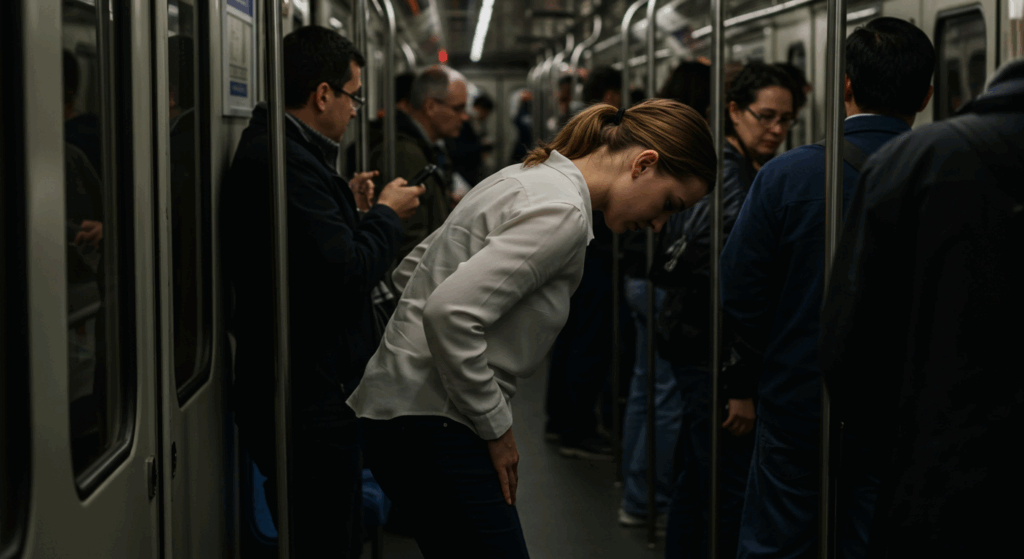
Let’s face it—modern life isn’t kind to our bodies. Between hours at desks, endless scrolling on phones, and long commutes, posture takes a back seat. Over time, the following issues stack up:
- Tech neck: The forward head posture caused by bending over screens.
- Slouching shoulders: From hunching at a desk or in the car.
- Tight hips and hamstrings: From sitting too long.
- Spinal misalignment: When joints lose their natural motion.
And it’s not just about appearance. Poor posture increases stress on your muscles and ligaments, which can trigger pain in your back, neck, shoulders, and even cause headaches. Left untreated, it can lead to long-term problems like arthritis, nerve pain, and reduced mobility.
Manual therapy addresses these root causes directly, rather than masking symptoms with painkillers.
How Manual Therapy Fixes Posture
So how exactly does manual therapy straighten you back up? At Back In Motion, we use a combination of techniques to reduce tension, restore mobility, and retrain posture:
1. Myofascial Release
The fascia is a thin layer of connective tissue that surrounds your muscles. When it gets tight, it pulls everything out of alignment. Myofascial release works by applying gentle, sustained pressure to loosen these restrictions. The result? Better mobility, less tension, and easier posture correction.
2. Joint Mobilization
This involves gentle, repetitive movements to improve joint range of motion. For example, if your shoulders feel stuck from slouching, mobilization can restore fluid movement.
3. Joint Manipulation
This is the more precise adjustment you might associate with chiropractic care. It often comes with the familiar “crack” or release, but don’t worry—it’s safe and controlled. Manipulation restores alignment and relieves pressure on nerves.
4. Soft Tissue Massage
Targeted massage during manual therapy helps relax tight muscles, improve circulation, and prepare your body to maintain better posture long-term.
Together, these techniques retrain your body to function the way it was designed—balanced, upright, and pain-free.
The 4 Grades of Manual Therapy
Not all manual therapy looks the same. Chiropractors and therapists use four different grades, depending on your condition and goals:
- Grade I – Small, gentle movements to reduce pain. Perfect for people with acute discomfort.
- Grade II – Larger but still controlled movements that restore joint motion.
- Grade III – Deeper stretches that push joints toward their full range.
- Grade IV – A precise, quick thrust (sometimes producing a “pop”) to restore alignment.
The grade used depends on your posture issue, pain level, and comfort. A skilled practitioner at Back In Motion will always explain what’s happening before making adjustments.
Types of Pain Relieved by Manual Therapy
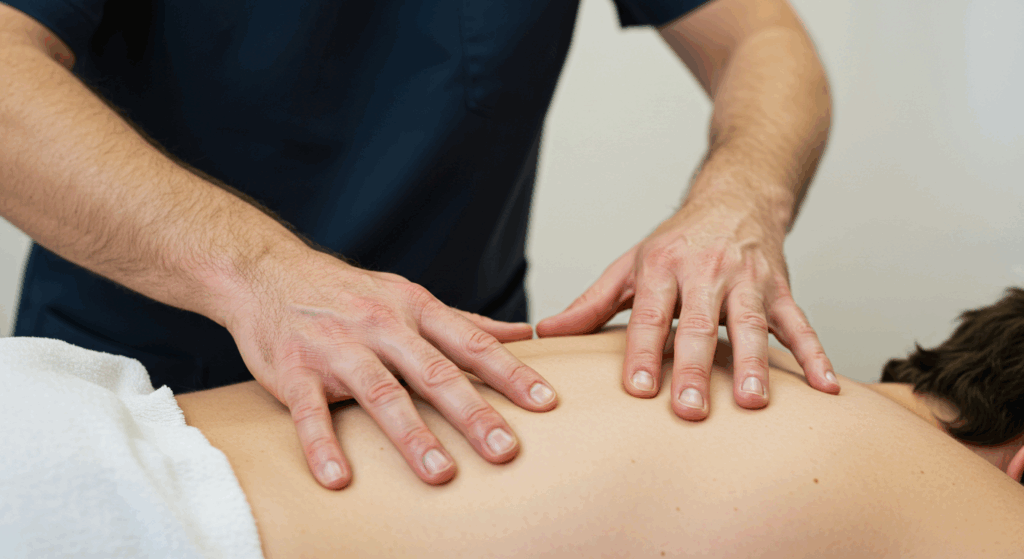
Manual therapy is especially effective for posture-related pain, but it doesn’t stop there. Here’s what it can help with:
- Back pain – Whether it’s lower, mid, or upper back.
- Neck stiffness and tech neck – From phones, laptops, and desk work.
- Headaches and migraines – Often triggered by muscle tension.
- Sciatica and nerve pain – Pain radiating from the lower back down the legs.
- Arthritis and joint pain – Common in seniors but manageable with manual therapy.
- Sports injuries – Sprains, strains, and repetitive stress injuries.
Patients often report feeling lighter, looser, and more upright after just one session.
Who Benefits Most from Manual Therapy?
One of the best parts about manual therapy is that it’s safe and effective across all age groups. Here’s how it helps different people:
Office Workers
If you’re chained to a desk all day, you’ve probably noticed tension in your neck, shoulders, and back. Manual therapy restores balance and eases the toll of sitting.
Athletes
From weekend warriors to pros, athletes use manual therapy to recover faster, prevent injuries, and improve performance.
Seniors
As we age, arthritis, stiffness, and balance issues creep in. Manual therapy helps seniors stay active, mobile, and independent.
Pregnant Women
Pregnancy shifts the body’s center of gravity, leading to back and pelvic pain. Gentle manual therapy techniques provide relief without medication.
Kids and Teens
Posture problems often start early—think heavy backpacks or long hours on devices. Manual therapy helps correct these issues before they become lifelong habits.
What To Expect During a Session at Back In Motion
Walking into a new clinic can feel intimidating, but here’s what you can expect at Back In Motion:
- Posture Assessment – We’ll check your alignment, mobility, and muscle tension.
- Customized Plan – Based on your needs, we’ll decide which manual therapy techniques work best.
- Hands-On Treatment – Gentle, precise techniques tailored to your condition.
- Take-Home Tips – Stretches, exercises, and lifestyle advice to maintain progress.
Many patients feel immediate relief, while long-term improvements in posture come with consistent care.
Why Choose Back In Motion
There are plenty of clinics out there, but Back In Motion stands apart because we:
- Offer personalized care for every patient.
- Combine traditional chiropractic expertise with modern manual therapy techniques.
- Provide care for all ages, from kids to seniors.
- Focus on long-term solutions, not just quick fixes.
We’ve built a reputation in the community for helping people move better, feel better, and stand taller.
FAQs About Manual Therapy
What is meant by manual therapy?
It’s a hands-on treatment where chiropractors or therapists use techniques like joint mobilization, manipulation, and soft tissue work to relieve pain and restore function.
What is the difference between manual therapy and physical therapy?
Physical therapy often emphasizes exercise and equipment. Manual therapy focuses on direct touch, adjustments, and mobilization to create immediate change.
What are the 4 grades of manual therapy?
They range from gentle, pain-relieving movements (Grade I) to precise adjustments that restore alignment (Grade IV).
What type of pain is relieved by manual therapy?
Back pain, neck stiffness, headaches, sciatica, arthritis, and sports injuries respond well to manual therapy.
What is myofascial release?
It’s a gentle manual therapy technique that releases tension in fascia—the connective tissue around muscles. This improves mobility and posture.
Conclusion
Your posture isn’t just about standing tall—it’s about protecting your long-term health. Poor posture can lead to chronic pain, reduced mobility, and stress on your joints. The good news? Manual therapy can help you break free from the cycle of pain and rediscover how good your body is meant to feel.
At Back In Motion, we’ve helped countless patients—from busy office workers to seniors—restore their posture, reduce pain, and live with more confidence. If posture problems are holding you back, it’s time to make a change.
Book a session today and take your first step toward standing tall again.