
Searching for Relief from Sciatic Nerve Pain
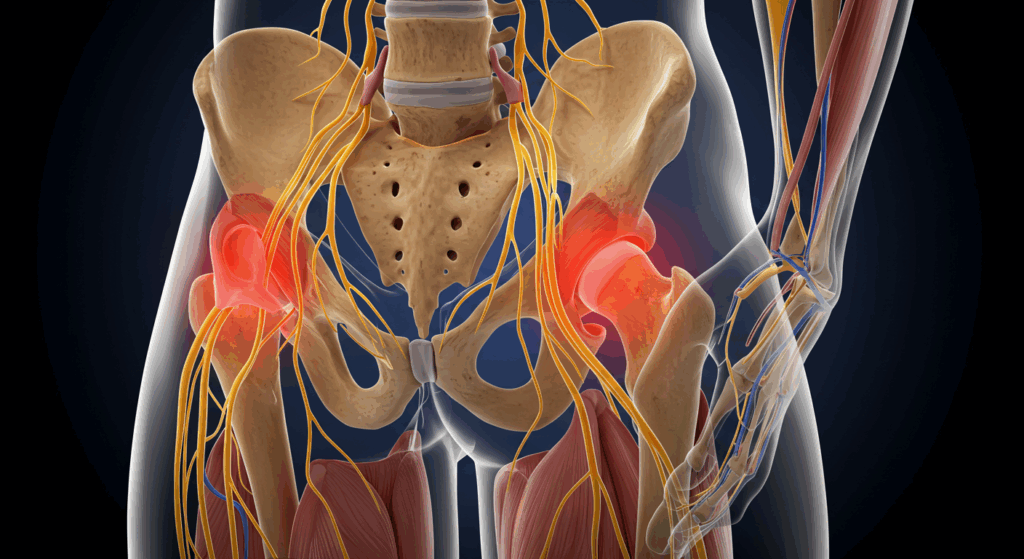
If you’ve ever felt a sharp, burning pain shooting from your lower back down your leg, you know how much sciatica can disrupt life. It’s not just discomfort—it’s a pain that makes sitting at your desk, standing in line, or even tying your shoes feel impossible.
Many people start with painkillers or muscle relaxants, but those only mask the problem. Surgery may sound extreme unless absolutely necessary. So, where do you turn if you want a natural, drug-free solution?
This is where a sciatica chiropractor steps in. At Back In Motion, we see patients every day who are tired of living around their pain. Chiropractic care focuses on the root cause—the nerve irritation itself—rather than just numbing symptoms.
In this article, we’ll break down how chiropractic care helps ease sciatic nerve pain naturally, what treatments look like, who can benefit, and how long recovery takes.
Key Takeaways
- Sciatica chiropractors use natural, drug-free methods like spinal adjustments, stretching, and posture correction to relieve nerve compression.
- Patients often report improved mobility, less pain, and reduced inflammation within weeks of care.
- A sciatica chiropractor can help working professionals, athletes, parents, and seniors manage symptoms without relying on long-term pain medication.
- Consistency matters — most people need a series of visits, lifestyle adjustments, and home exercises to see lasting results.
- Chiropractic care can complement physical therapy, massage, and wellness routines for a holistic recovery.
What is Sciatica, Really?
Sciatica isn’t a condition by itself—it’s a set of symptoms caused by irritation or compression of the sciatic nerve, the largest nerve in your body.
Common causes include:
- Herniated or bulging discs pressing on nerve roots.
- Spinal misalignment that pinches nerves.
- Piriformis syndrome, where a small muscle in the buttock irritates the nerve.
- Degenerative disc disease or arthritis in older adults.
- Pregnancy-related changes that shift posture and weight balance.
Typical symptoms:
- Radiating pain from the lower back to the buttock, thigh, or calf.
- Numbness, tingling, or weakness in the leg.
- Pain that worsens after sitting too long or standing too much.
Chiropractors don’t just label the pain—they assess posture, mobility, spinal health, and lifestyle to find the underlying cause.
How a Sciatica Chiropractor Approaches Treatment
1. Comprehensive Assessment
At Back In Motion, the first visit isn’t just a quick adjustment. We take time to:
- Review your health history.
- Perform orthopedic and neurological tests.
- Use posture scans, X-rays, or motion assessments to pinpoint nerve compression.
This sets the stage for a custom care plan.
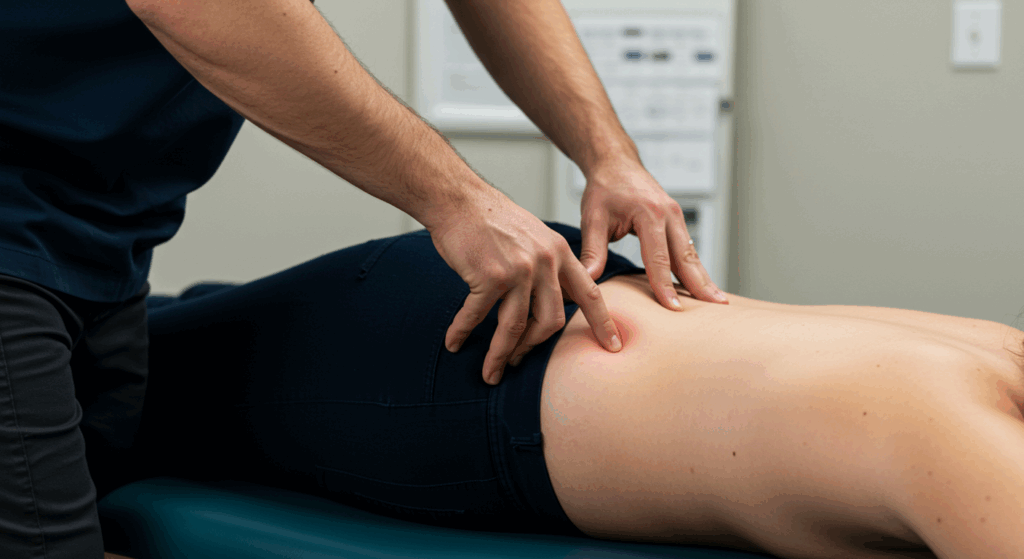
2. Spinal Adjustments
The cornerstone of chiropractic care, spinal adjustments help:
- Realign vertebrae that are pressing on nerves.
- Improve spinal mobility.
- Reduce muscle tension around inflamed nerves.
Patients often feel immediate relief in pressure, though long-term results come with consistency.
3. Therapeutic Exercises & Stretching
We teach patients specific stretches to target the piriformis muscle, hamstrings, and hip flexors—muscles that often tighten and worsen sciatica. Strengthening the core and glutes also helps prevent flare-ups.
4. Lifestyle Coaching
- Ergonomic advice for desk workers.
- Movement routines for athletes.
- Safe lifting techniques for parents and caregivers.
- Posture and mobility tips for seniors.
5. Complementary Therapies
Chiropractors often use other modalities like:
- Heat and cold therapy to manage inflammation.
- Massage therapy for muscle relaxation.
- Electrical stimulation to reduce pain signals.
Who Can Benefit From a Sciatica Chiropractor?
Working Professionals
Desk jobs are notorious for poor posture and long hours sitting. A chiropractor can:
- Re-train posture.
- Teach stretches to do at your desk.
- Keep recurring flare-ups at bay.
Athletes & Active Adults
Sports can stress the spine, but quitting activity isn’t the answer. Chiropractic care helps athletes:
- Recover faster from injuries.
- Improve flexibility.
- Stay active without nagging sciatic pain.
Parents & Caregivers

Lifting kids or helping loved ones often leads to strained backs. Chiropractors give parents the tools to:
- Lift safely.
- Reduce lower back strain.
- Maintain energy and function.
Seniors
Aging can bring arthritis and disc degeneration. Gentle chiropractic adjustments are safe and effective for seniors dealing with chronic sciatica.
Wellness Seekers
Even if sciatica isn’t constant, wellness-focused individuals use chiropractic care as a preventative tool to stay mobile and pain-free.
What to Expect During Your Recovery
- Short-term relief: Many feel improvement after the first few sessions.
- 4–6 weeks: Noticeable reduction in pain and better mobility.
- Long-term: Strengthening and lifestyle changes keep the pain away.
Healing is a process—it’s not about one “magic adjustment,” but a partnership between you and your chiropractor.
FAQs About Sciatica Chiropractors
Is a chiropractor good for sciatica?
Yes. A chiropractor addresses the root cause—nerve compression—using spinal adjustments and therapies to reduce inflammation and pain naturally.
How long does it take a chiropractor to fix a sciatic nerve?
Most patients feel relief within a few weeks, but full recovery depends on the severity of the issue and lifestyle habits.
What is the success rate of chiropractic treatment for sciatica?
Studies show a 70–90% success rate for significant improvement when patients follow a consistent treatment plan.
Can a chiropractor fix severe sciatica?
Chiropractors can help many cases of severe sciatica. However, if there’s loss of bladder/bowel control or progressive weakness, immediate medical evaluation is necessary.
Is there a pressure point to relieve sciatica?
Yes, pressure points near the lower back and piriformis muscle can help. Chiropractors combine hands-on care with stretches that target these points safely.
Living Without Sciatica Pain
No one should accept sciatica as a permanent part of life. With the right care, lifestyle adjustments, and consistency, nerve pain can be managed—and often eliminated—naturally.At Back In Motion, we’ve seen patients go from barely being able to sit comfortably to running marathons again. Relief is possible when you target the cause instead of chasing symptoms.