
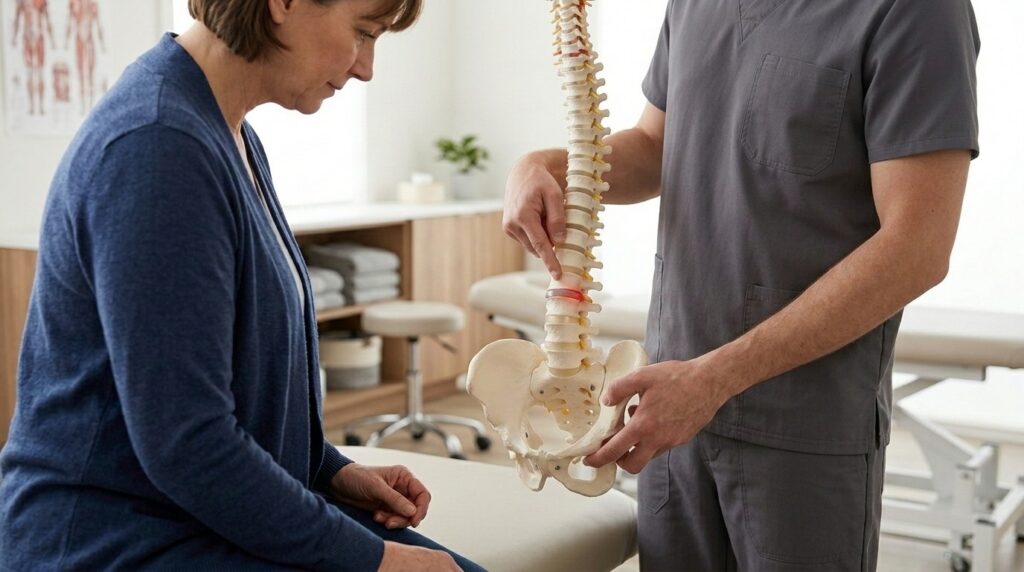
A slipped disc can feel like it came out of nowhere. One day your back feels fine. The next, there’s sharp pain, stiffness, or even discomfort traveling down your leg or arm.
Simple movements suddenly feel risky. Sitting hurts. Standing too long hurts. Even lying down doesn’t always bring relief.
That’s when most people start searching for real answers about slipped disc treatment—not just quick fixes, but options that actually help.
At Back In Motion, patients often come in feeling overwhelmed. What they usually discover is that most slipped disc cases don’t require surgery—but they do need the right approach.
The Real Problem Behind a Slipped Disc
The obvious problem is pain. It can be sharp, constant, or radiating. Sometimes it travels into the legs or arms, depending on where the disc is affected.
The deeper problem is limitation.
You move differently.
You avoid bending or lifting.
Daily life becomes uncomfortable.
And underneath it all is fear.
Is this serious?
Will it get worse?
Do I need surgery?
A slipped disc doesn’t just affect your body—it affects your confidence in movement.
What a Slipped Disc Actually Means
Despite the name, a disc doesn’t really “slip.” It becomes irritated, bulges, or herniates, putting pressure on nearby nerves.
Spinal discs act as cushions between vertebrae. When they are stressed or injured:
- They may bulge outward
- They can press on nerves
- Movement may become painful
This is why symptoms can vary from localized pain to radiating discomfort.
Common Causes of Disc Issues
Slipped discs often develop from a combination of stress over time and sudden strain.
Common causes include:
- Improper lifting
- Repetitive movements
- Prolonged sitting
- Poor posture
- Aging and disc wear
- Previous injuries
Often, the disc becomes vulnerable before the pain begins. One movement simply triggers symptoms.
Slipped Disc Treatment Options That Help
Not every case requires the same approach. The goal is to reduce pressure, restore movement, and support healing.
1. Chiropractic Care
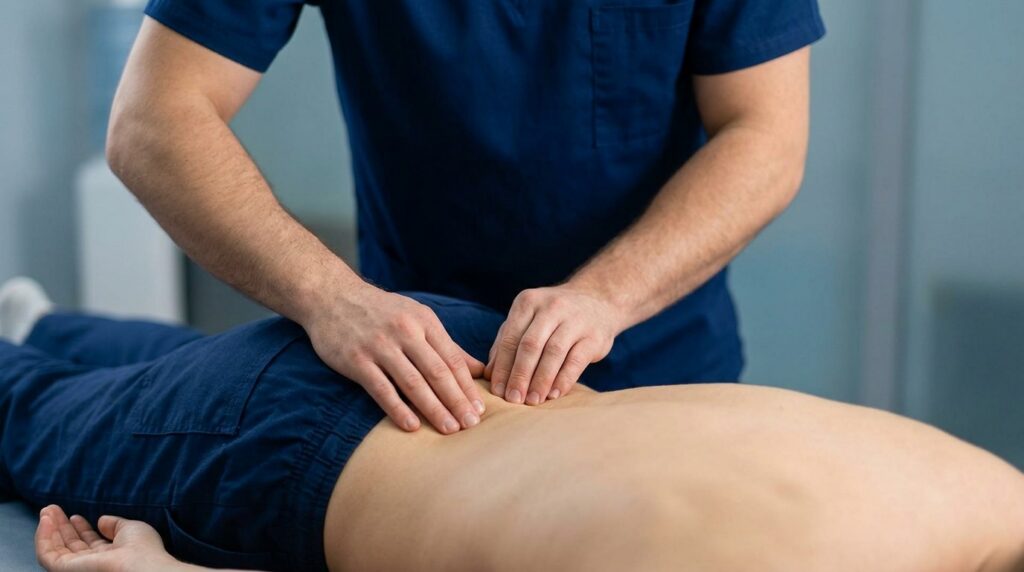
Chiropractic care focuses on improving spinal movement and reducing stress on the affected disc.
A chiropractor may help by:
- Restoring joint mobility
- Reducing nerve irritation
- Improving alignment
- Supporting natural healing
At Back In Motion, care is gentle and tailored to your condition. The focus is on reducing pressure—not forcing movement.
2. Activity Modification
Rest alone is not enough, but certain movements may need to be adjusted.
This may include:
- Avoiding heavy lifting
- Limiting prolonged sitting
- Modifying daily activities
The goal is to protect the disc while allowing controlled movement.
3. Movement and Mobility Support
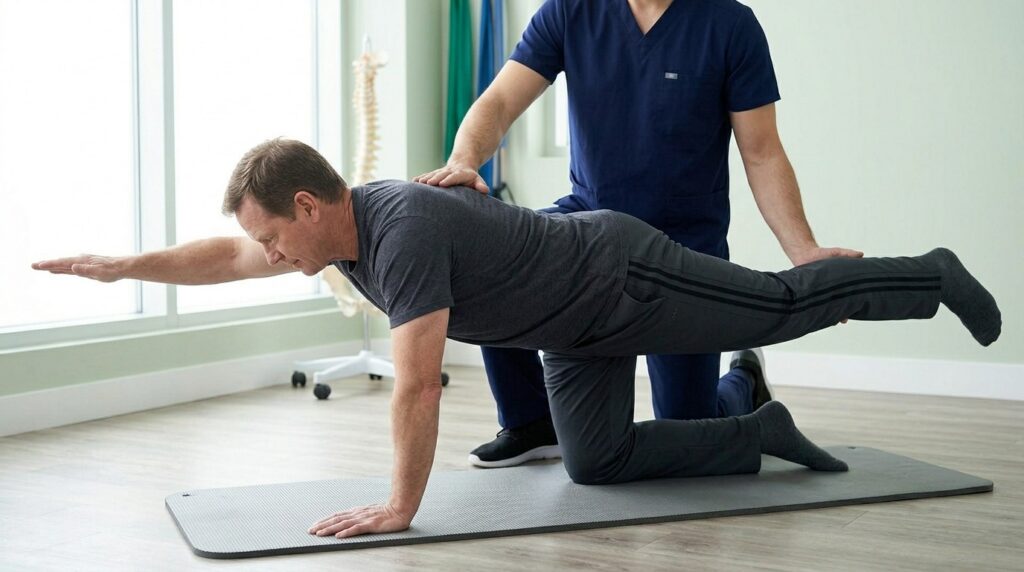
Gentle movement helps maintain circulation and prevent stiffness.
Guided movement can:
- Improve flexibility
- Reduce muscle tension
- Support recovery
Movement is introduced carefully to avoid aggravating symptoms.
4. Postural Correction
Posture plays a major role in disc health.
Improving posture can:
- Reduce pressure on the spine
- Support better alignment
- Prevent further irritation
Small adjustments in daily habits can make a big difference.
Why Surgery Is Not Always the First Option
Many people assume a slipped disc automatically leads to surgery. In reality, most cases respond well to conservative care.
Non-surgical slipped disc treatment focuses on:
- Reducing inflammation
- Improving spinal function
- Supporting natural healing
Surgery is typically considered only when conservative methods are not effective.
Signs You May Need Professional Care
Some disc issues improve with time, but certain signs suggest the need for evaluation.
You may benefit from care if:
- Pain lasts more than a few days
- Symptoms travel into the arms or legs
- Movement feels restricted
- Pain worsens with activity
- You experience numbness or tingling
These signs often indicate nerve involvement.
What Treatment Feels Like
Chiropractic care for slipped discs is careful and controlled.
Treatment may include:
- Gentle spinal adjustments
- Soft tissue techniques
- Movement guidance
- Postural recommendations
Patients often notice reduced pressure and improved movement over time.
What Recovery Looks Like
Recovery from a slipped disc is often gradual.
Progress may include:
- Reduced pain intensity
- Improved mobility
- Less nerve-related discomfort
- Increased confidence in movement
With consistent care, many patients return to normal activities without surgery.
What Happens If a Slipped Disc Is Ignored
Ignoring a slipped disc can lead to ongoing stress on the spine.
Over time, this may result in:
- Chronic pain
- Increased nerve irritation
- Reduced mobility
- Greater risk of re-injury
Early treatment helps reduce these risks.
A Simple Plan for Recovery
Using the StoryBrand framework, the path forward stays clear.
Step 1: Identify the issue
A focused evaluation determines the source of the problem.
Step 2: Reduce pressure and restore movement
Treatment helps relieve stress on the disc.
Step 3: Maintain spinal health
Posture and movement guidance support long-term recovery.
This plan replaces fear with clarity.
Why Local Care Matters in Yorktown
Yorktown residents deal with daily habits that affect spinal health—work, commuting, and physical activity.
Choosing a local provider ensures care is practical and consistent. Back In Motion focuses on real-life solutions that fit your lifestyle.
Final Thoughts on Slipped Disc Treatment
A slipped disc can feel overwhelming—but it doesn’t always require drastic measures.
The right slipped disc treatment focuses on reducing pressure, improving movement, and supporting natural healing.
With proper care, recovery is possible—and many people return to comfortable, active lives.