
Teen posture is something most parents notice—but often aren’t sure how seriously to take. Slouched shoulders while doing homework. A curved upper back while scrolling on a phone. A backpack that seems to pull everything forward.
At first, it feels like a phase. Teens grow fast. Bodies change. Habits aren’t perfect. But posture during the teenage years plays a much bigger role than many families realize.
As teens grow, their bodies are forming movement patterns that can last into adulthood. When posture is consistently poor during these years, the body often adapts in ways that create discomfort, tension, and long-term spinal stress.
At Back In Motion, families often come in with simple questions:
“Is this normal?”
“Will they grow out of it?”
“Should we be doing something now?”
Those questions matter more than you might think.
The Real Concern Behind Teen Posture
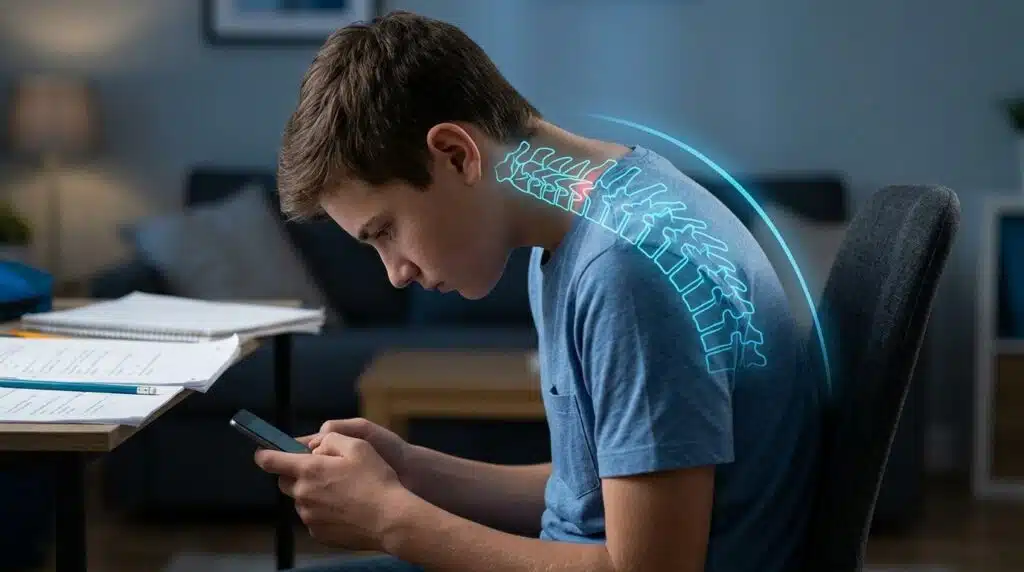
The obvious concern is appearance. Rounded shoulders. Forward head posture. A noticeable slouch in photos.
The deeper concern is function. Poor posture affects how the spine moves, how muscles balance, and how the nervous system communicates with the body.
And beneath it all is uncertainty. Parents want to support their teen’s growth without overreacting—or missing something important.
Teen posture isn’t about perfection. It’s about setting up the body for healthy movement during critical growth years.
Why Teen Posture Matters During Growth
The teenage years are a period of rapid physical change. Bones lengthen quickly, muscles adapt, and coordination is still developing.
During this time, posture habits become ingrained. The body learns what feels “normal,” even if that normal isn’t ideal.
Poor teen posture can contribute to:
- Neck and upper back tension
- Headaches
- Shoulder discomfort
- Fatigue
- Reduced spinal mobility
When posture is addressed early, the body is far more adaptable and responsive.

Common Causes of Poor Teen Posture
Teen posture doesn’t worsen because teens don’t care. It usually develops because of daily habits.
Common contributors include:
- Prolonged screen time
- Laptop and phone use
- Long hours sitting at school
- Heavy backpacks
- Sports with repetitive movement patterns
- Rapid growth spurts
These stresses aren’t extreme on their own, but over time they shape how the spine aligns and moves.
Why “They’ll Fix It Themselves” Isn’t Always True
Some posture issues improve naturally as teens grow. Others don’t.
When poor posture becomes habitual, the body adapts. Muscles tighten. Joints lose motion. The spine settles into patterns that feel normal but create strain.
Waiting until adulthood to address posture often makes correction harder. Supporting posture during the teen years allows the body to grow into better habits instead of compensating around poor ones.
How a Teen Posture Chiropractor Helps
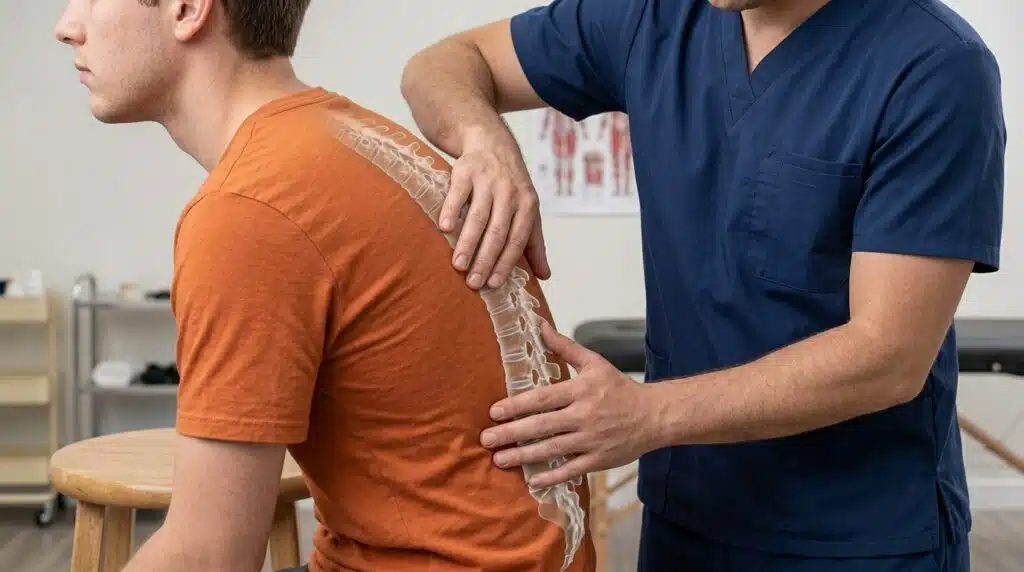
Chiropractic care for teens is gentle, age-appropriate, and focused on movement—not force.
A teen posture chiropractor looks at:
- Spinal mobility
- Postural balance
- Muscle coordination
- Daily habits like studying, gaming, and sports
- Growth-related changes
Care focuses on supporting healthy spinal motion so posture can improve naturally as the body grows.
What Chiropractic Care Looks Like for Teens
At Back In Motion, teen care is calm, educational, and supportive. Nothing is rushed, and everything is explained clearly to both teens and parents.
Care may include:
- Gentle spinal adjustments
- Postural awareness guidance
- Movement and stretching strategies
- Backpack and desk setup tips
- Ongoing monitoring during growth spurts
The goal is not to force posture “perfect,” but to help the spine move and balance better.
Signs Parents May Want to Address Teen Posture
Teens don’t always complain about discomfort, even when their bodies are under stress.
Parents may notice:
- Persistent slouching
- Complaints of neck or upper back tightness
- Headaches after school
- Fatigue from sitting
- Uneven shoulders or posture
These signs don’t mean something is wrong—but they are signals worth paying attention to.
What Healthy Teen Posture Really Looks Like
Healthy teen posture doesn’t mean standing straight all the time. Teens move, relax, and slouch occasionally—that’s normal.
Success looks like:
- Balanced posture when relaxed
- Comfortable movement
- Less tension in the neck and shoulders
- Better body awareness
- Confidence during growth
It’s about resilience, not rigidity.
What Happens When Teen Posture Is Ignored
When posture issues are ignored, the body often compensates. Muscles tighten unevenly. Joints adapt to poor alignment. Movement patterns become ingrained.
These patterns may not cause pain immediately, but they often show up later as chronic neck, back, or shoulder issues.
Addressing teen posture early helps reduce the risk of long-term spinal stress.
A Simple Plan for Supporting Teen Posture
Using the StoryBrand framework, the path stays clear and reassuring.
Step 1: Assess Posture and Movement
A focused evaluation looks at how the spine is moving and balancing.
Step 2: Support Spinal Motion
Chiropractic care helps guide healthier movement during growth.
Step 3: Build Better Habits
Postural and lifestyle guidance supports long-term improvement.
This plan replaces uncertainty with confidence.
Why Local Teen Chiropractic Care Matters in Yorktown
Yorktown teens balance school, sports, screen time, and busy schedules. These routines shape posture more than most people realize.
Choosing a local teen posture chiropractor ensures care that fits real-life habits. Back In Motion focuses on how teens actually live, learn, and grow.
Final Thoughts on Teen Posture Chiropractic Care
Teen posture isn’t just about how a teen looks—it’s about how their body develops and functions over time.
Chiropractic care provides gentle, proactive support for growing spines, helping teens move better, feel better, and build healthier habits.
For many families, supporting teen posture early creates a stronger, more comfortable foundation for adulthood.