

Sciatica pain can make everyday movement feel difficult, especially for active adults and athletes trying to stay mobile. The right exercises for sciatica relief can help reduce pressure on the sciatic nerve, improve flexibility, and support recovery without relying only on rest or medication.
Many people assume complete rest is the best way to manage sciatica pain. In reality, gentle movement is often one of the most helpful tools for relieving nerve irritation and stiffness. When muscles around the lower back, hips, and legs become tight or weak, they can place additional pressure on the sciatic nerve and worsen symptoms.
Exercises for sciatica relief are designed to improve mobility, reduce tension, and support better spinal movement. Some stretches help relax tight muscles, while strengthening exercises help stabilize the lower back and hips.
For people dealing with nerve pain, even simple movements can make a noticeable difference over time.
Why Exercise Helps Sciatica Pain
Sciatica usually develops when the sciatic nerve becomes irritated or compressed. This may happen because of:
- Herniated discs
- Tight hip muscles
- Poor posture
- Long periods of sitting
- Spinal misalignment
- Muscle weakness
According to the Mayo Clinic, movement and physical activity are often recommended as part of conservative sciatica care because they help maintain flexibility and reduce stiffness.
The goal is not intense workouts.
The goal is controlled movement that supports healing.
Many athletes and active adults notice that gentle stretching helps reduce pulling sensations down the leg while improving daily mobility.
Gentle Stretching Exercises for Sciatica Relief
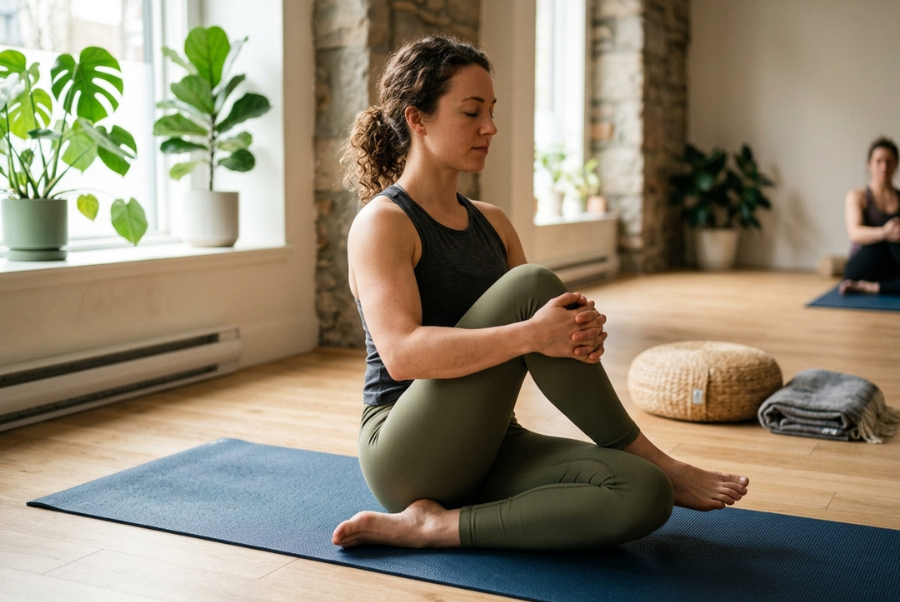
Knee-to-Chest Stretch
This stretch helps reduce lower back tension while gently opening the hips.
How to do it:
- Lie flat on your back
- Bend one knee toward the chest
- Hold for 20–30 seconds
- Repeat on both sides
This movement can help reduce stiffness after long periods of sitting.
Piriformis Stretch
The piriformis muscle sits near the sciatic nerve. When tight, it may increase irritation.
How to do it:
- Lie on your back
- Cross one ankle over the opposite knee
- Pull the uncrossed leg gently toward the chest
- Hold for 20–30 seconds
Many people with sciatica notice this stretch targets deep hip tightness that contributes to nerve discomfort.
Seated Hamstring Stretch
Tight hamstrings often increase lower back stress.
How to do it:
- Sit on the floor with one leg extended
- Keep the back straight
- Lean forward gently from the hips
- Hold for 20–30 seconds
Stretching should feel gentle—not painful.
Pain is the body’s way of asking for adjustment.
Strengthening Exercises That Support Recovery
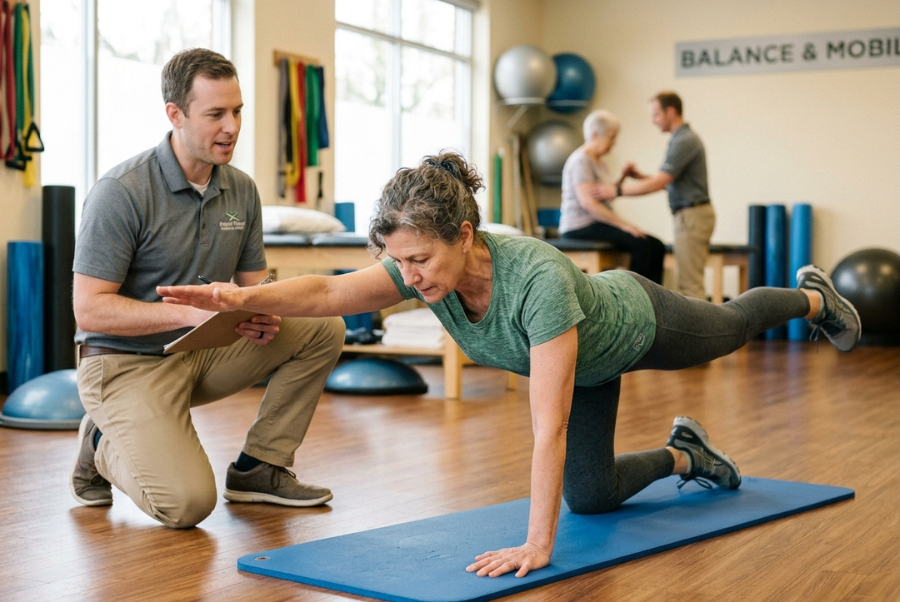
Stretching helps reduce tension, but strengthening exercises help support long-term stability.
Pelvic Tilt
Pelvic tilts strengthen core muscles that support the spine.
How to do it:
- Lie on your back with knees bent
- Tighten abdominal muscles
- Flatten the lower back against the floor
- Hold for 5 seconds
- Repeat 10 times
This simple exercise improves spinal support without placing excessive pressure on the back.
Bird Dog Exercise
The bird dog helps improve balance and core stability.
How to do it:
- Start on hands and knees
- Extend one arm and opposite leg
- Hold briefly
- Return slowly and alternate sides
Controlled movement matters more than speed.
Small, consistent movements often create the biggest long-term improvements.
Glute Bridges
Weak glute muscles can increase stress on the lower back.
How to do it:
- Lie on your back with knees bent
- Lift hips slowly upward
- Squeeze glutes at the top
- Lower slowly
Strong hips help support better spinal mechanics.
Exercises to Avoid During Sciatica Flare-Ups

Not every exercise is helpful during active sciatica pain.
Some movements may increase irritation, especially if symptoms are severe.
Exercises that may worsen symptoms include:
- Heavy squats
- High-impact running
- Toe touches with rounded posture
- Twisting movements under load
- Heavy deadlifts during flare-ups
According to the Cleveland Clinic, sudden or forceful movements can sometimes aggravate nerve irritation.
The safest approach is gradual progression.
If a movement sharply increases pain, numbness, or tingling, it should be stopped.
How Often Should You Do Sciatica Exercises?
Consistency matters more than intensity.
Most people benefit from gentle stretching daily and strengthening exercises several times per week.
A typical routine may include:
- Stretching: daily
- Core strengthening: 3–4 times weekly
- Walking or light movement: daily
Long periods of inactivity can sometimes increase stiffness and worsen symptoms.
Movement keeps recovery moving forward.
Many active adults find short exercise sessions easier to tolerate than long workouts during recovery.
When Exercises Alone May Not Be Enough
Some cases of sciatica improve with home exercises, but others require additional support.
Persistent symptoms may indicate:
- Significant nerve compression
- Herniated disc involvement
- Severe inflammation
- Spinal alignment issues
People should seek professional evaluation if they experience:
- Progressive weakness
- Severe numbness
- Loss of mobility
- Symptoms lasting several weeks
- Pain interfering with sleep or daily function
The team at Back in Motion in Yorktown, Virginia often sees patients who tried stretching alone before discovering that underlying spinal or muscular issues were contributing to ongoing sciatic nerve irritation.
Sometimes the body needs more than rest.
It needs the right combination of movement, support, and recovery.
Sciatica Care Options Beyond Exercise
Exercise is only one part of managing sciatic nerve pain.
Depending on the cause, treatment plans may also include:
- Chiropractic care
- Soft tissue therapy
- Posture correction
- Mobility training
- Physical therapy modalities
- Activity modification
For individuals dealing with ongoing discomfort, the clinic’s Sciatica Nerve Pain Treatment page explains additional conservative treatment approaches that may help reduce nerve irritation and improve mobility.
Every case of sciatica is different.
The best recovery plans are usually tailored to the person—not just the symptoms.
FAQ: Exercises for Sciatica Relief
What is the best exercise for sciatica relief?
There is no single best exercise for everyone. Gentle stretches like the piriformis stretch, knee-to-chest stretch, and strengthening exercises such as pelvic tilts are commonly recommended because they help reduce tension and improve support around the spine.
Can walking help sciatica pain?
Yes. Light walking often helps improve circulation and reduce stiffness. Many people find short walks easier to tolerate than prolonged sitting.
Should sciatica exercises hurt?
Exercises should create gentle stretching sensations, not sharp pain. If symptoms worsen significantly during movement, the exercise may need adjustment.
How long does it take for sciatica exercises to work?
Some people notice mild improvement within days, while others require several weeks of consistent movement and strengthening. Recovery depends on the cause and severity of nerve irritation.
Are home remedies enough for sciatica?
Mild cases sometimes improve with stretching and activity modification. However, persistent symptoms may require professional evaluation and treatment.
Can athletes continue training with sciatica?
In many cases, activity can continue with modifications. High-impact or heavy loading movements may need temporary reduction during flare-ups.
Conclusion
Exercises for sciatica relief can play an important role in reducing pain, improving mobility, and supporting recovery. Gentle stretching and strengthening movements help relieve tension around the sciatic nerve while improving spinal support.
For many active adults and athletes, consistent movement becomes one of the most effective long-term tools for managing discomfort.
The key is gradual progress.
Healing often happens through steady movement—not force.
People dealing with ongoing nerve pain, numbness, or mobility issues may benefit from professional guidance to identify the underlying cause of symptoms and build a more complete recovery plan.
Back in Motion in Yorktown, VA
4102 George Washington Memorial Hwy
Yorktown, VA 23692
Phone: (757) 234-6222
Website: https://www.drchristopherconnolly.com/
Contact Us: https://www.drchristopherconnolly.com/contact-us/